
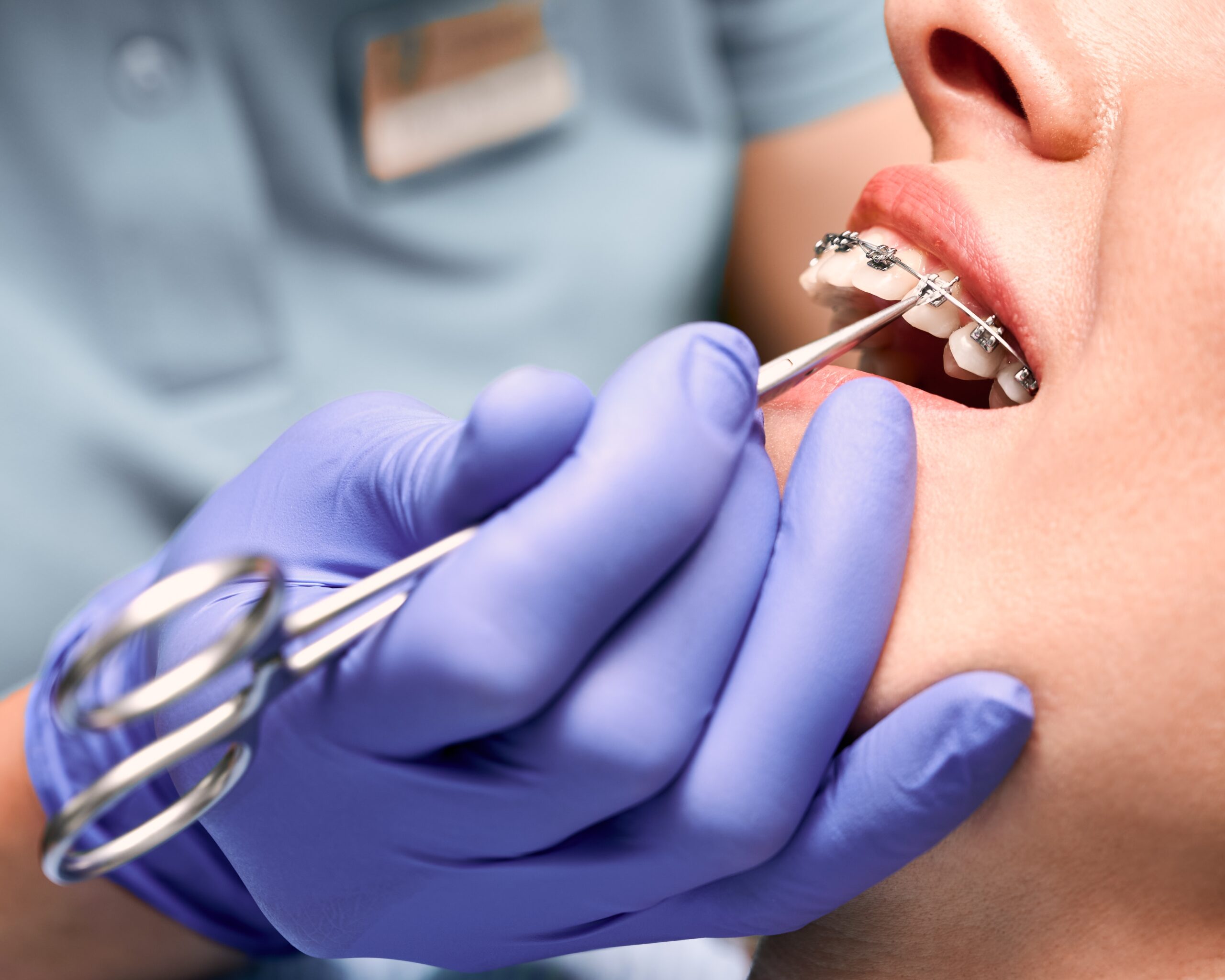
A dental emergency involves a tooth injury that needs prompt professional care to save the tooth, control bleeding, or manage severe discomfort. This guide walks you through the exact steps for both a knocked-out tooth and a chipped tooth so you can act with confidence when every minute counts.
What Counts as a Dental Emergency?
A dental emergency is any tooth injury needing immediate care to save the tooth, stop bleeding, or ease severe discomfort. A knocked-out (avulsed) permanent tooth is the most time-sensitive situation. Chipped, cracked, or fractured teeth range from urgent to non-urgent depending on depth of damage, nerve exposure, and bleeding.
Signs you need same-day care include:
- A tooth that’s been fully knocked out
- Heavy bleeding that doesn’t stop after 10 minutes of pressure
- A tooth that feels loose or shifted after impact
- Sharp, ongoing discomfort or sensitivity to air and temperature
- Visible nerve exposure or a large fracture line
Not every chip qualifies as an emergency. A small enamel chip with no bleeding or sensitivity can usually wait a day or two for a scheduled visit. But if you’re unsure, call us. Our team at NC Tooth Docs would rather hear from you sooner than later, and we’re always happy to help families decide whether an injury needs urgent attention.
Step-by-Step: What to Do Immediately
To save a knocked-out tooth, handle it by the crown, rinse gently, reinsert it or store it in milk, and see a dentist within 30 to 60 minutes. For a chipped tooth, save any fragments, rinse your mouth, and apply a cold compress before your visit. The first 30 to 60 minutes after a tooth injury make the biggest difference in the outcome, so knowing what to do ahead of time really pays off. Follow these steps based on what happened.
What If a Tooth Has Been Knocked Out?
- Find the tooth quickly. Pick it up by the crown (the white chewing surface), never by the root.
- Rinse gently. Use milk or clean water for a few seconds. Don’t scrub, don’t use soap, and don’t dry it with a towel.
- Try to reinsert it. Slide the tooth back into the socket in its original position and hold it in place by biting down gently on clean gauze or a soft cloth.
- If you can’t reinsert, store it properly. Place the tooth in a small container of cold milk. Saliva also works, tucked between the cheek and gums for adults. Water is a last resort because it damages root cells.
- Get to a dentist within 30 to 60 minutes. According to the American Association of Endodontists, reimplantation success drops sharply after the first hour, so speed truly matters here.
Every one of these steps buys the tooth a better chance, so try to stay calm and move through them in order.
What If a Tooth Is Chipped, Cracked, or Fractured?
- Save any fragments. Rinse them and store in milk or saline. Your dentist may be able to bond larger pieces back.
- Rinse your mouth with warm water. This clears debris and helps you see the injury.
- Apply gentle pressure with clean gauze if there’s bleeding, for about 10 minutes.
- Use a cold compress on the cheek to reduce swelling.
- Cover a sharp edge with dental wax or sugar-free gum to protect your tongue and cheek until you’re seen.
- Call NC Tooth Docs to schedule an urgent visit.
Avoid chewing on the injured side, and skip very hot or cold foods until you’ve been evaluated. A little care in these first minutes goes a long way toward a smoother repair once you reach the chair.
Why Fast Action Matters
When it comes to saving a tooth, time matters most. A permanent tooth that’s placed back in its socket within 30 minutes has the best chance of survival, and every minute past that lowers the odds of reattachment.
Quick action also protects you in other ways:
- Lowers infection risk by closing the wound and reducing bacterial exposure
- Prevents surrounding teeth from shifting into the empty space
- Preserves the nerve and root so more conservative treatment is possible
- Reduces long-term cost because early care often means bonding or a crown instead of implants or bridges later
- Protects the bone that supports your smile
For kids, fast action also protects the developing adult teeth underneath. Dr. Amanda often reminds parents that a baby tooth injury can affect the permanent tooth still forming below the gum line, which is why a quick call after any fall or bump is always worthwhile.
Knocked-Out vs Chipped Tooth: How Response Differs
Both injuries need attention, but the timeline and treatment options look very different. Here’s how they compare.
| Factor | Knocked-Out Tooth | Chipped or Cracked Tooth |
|---|---|---|
| Urgency | Immediate (within 30-60 minutes) | Same-day to within 48 hours |
| First Aid | Handle by crown, rinse, reinsert or store in milk | Save fragments, rinse mouth, cold compress |
| Common Treatment | Reimplantation, splinting, possible root canal | Bonding, veneer, or crown |
| Follow-Up | Splint removal, monitoring for 6-12 months | Polish or final restoration visit |
| Long-Term Outlook | Best if replaced fast; extraction and replacement if not | Usually excellent with early care |
| When Surgery Is Needed | If tooth can’t be saved, extraction and implant planning | Rare, unless fracture extends below the gum line |
A minor enamel chip may only need smoothing and polishing. A deep fracture that reaches the nerve typically calls for a root canal followed by a crown. Our tooth docs will take X-rays to see the full picture before recommending a treatment plan that fits your situation.
What Affects the Cost of Emergency Tooth Treatment
Emergency tooth care costs depend on the type of injury, the treatment required, and any diagnostic imaging needed. Small chips repaired with bonding sit at the lower end, while reimplantation with root canal therapy and a crown sits at the higher end. Insurance coverage can also play a role in what you pay out of pocket.
Common cost factors include:
- Severity of the injury. A surface chip is far less involved than a fractured root.
- Type of treatment. Bonding, veneers, crowns, root canals, splinting, and extraction each carry different fees.
- Diagnostic imaging. Digital X-rays help us see fractures, root position, and bone involvement.
- Sedation options. Nitrous oxide or other calming options for kids may be part of the visit.
- Follow-up care. Retainers, space maintainers, or a permanent crown after healing may be needed.
NC Tooth Docs accepts all PPO insurance plans, including Medicaid, and offers flexible payment plans so families aren’t caught off guard by an unexpected injury.
Can a Knocked-Out or Chipped Tooth Be Saved?
Many injured teeth can be saved, especially when patients get care quickly and the root stays healthy. The best candidates are people who reach the dentist within an hour, keep the tooth moist, and have no major fracture below the gum line.
Success improves when:
- The tooth is handled by the crown, not the root
- It’s stored in milk or saliva rather than water or a dry tissue
- Care begins within 30 to 60 minutes
- The surrounding bone and gum tissue are intact
Success decreases when the tooth dries out, gets scrubbed clean, or sits untreated for hours.
For Kids
A knocked-out baby tooth is usually not reimplanted, because doing so can damage the permanent tooth developing underneath. Instead, Dr. Amanda may recommend a space maintainer to hold the gap open until the adult tooth erupts naturally. A knocked-out permanent tooth in a child, though, follows the same urgent replant protocol as with adults.
When a tooth truly can’t be saved, replacement options like implants, bridges, or orthodontic space closure become the next step. Our team, including Dr. Amanda for kids dentistry and Dr. J for orthodontic care, will walk you through every choice so nothing feels rushed.
Frequently Asked Questions
How long do I have to save a knocked-out tooth?
You have the best chance within 30 minutes, and reasonable odds up to about 60 minutes. After that, the cells on the root surface begin to die, making successful reattachment much less likely. Store the tooth in milk and head straight to the dentist.
Can you put a baby tooth back in?
Baby teeth are generally not put back in the socket. Reimplanting a baby tooth can harm the developing permanent tooth underneath. Instead, your kids’ dentist may recommend a space maintainer to keep the gap open until the adult tooth comes in. Always call for guidance, since every case is different.
What should I store a knocked-out tooth in?
Cold milk is the best storage option because it keeps the root cells alive. Saliva is second best (adults can tuck the tooth between cheek and gums). A tooth preservation kit from a pharmacy also works. Avoid plain water, which damages the root, and never store the tooth dry.
Is a chipped tooth a dental emergency?
Sometimes. A small enamel chip with no bleeding or sensitivity can usually wait a day or two. A larger chip that exposes the inner layers, bleeds, or hurts when you breathe or drink cold water should be seen right away.
Does a chipped tooth need to be repaired right away?
Deeper chips should be treated promptly to protect the nerve and prevent further cracking. Even minor chips are worth addressing soon so bacteria don’t get into micro-cracks and cause decay. Bonding or a crown restores strength and appearance in a single or double visit.
What happens if I wait to treat a broken tooth?
Waiting can turn a small repair into a much bigger one. Untreated fractures often spread, exposing the nerve and leading to infection, abscess, or the need for a root canal or extraction. Early care usually means less time in the chair and lower cost overall.
We love making people smile, even on the toughest days. If you or your child has a dental emergency, reach out to NC Tooth Docs right away. Our family-owned and operated practice welcomes families of every age, with Dr. Amanda leading kids dentistry and Dr. J guiding your smile journey through orthodontics. Call your nearest office as soon as possible so we can guide you through the next steps and get you back to healthy smiles for the entire family.