
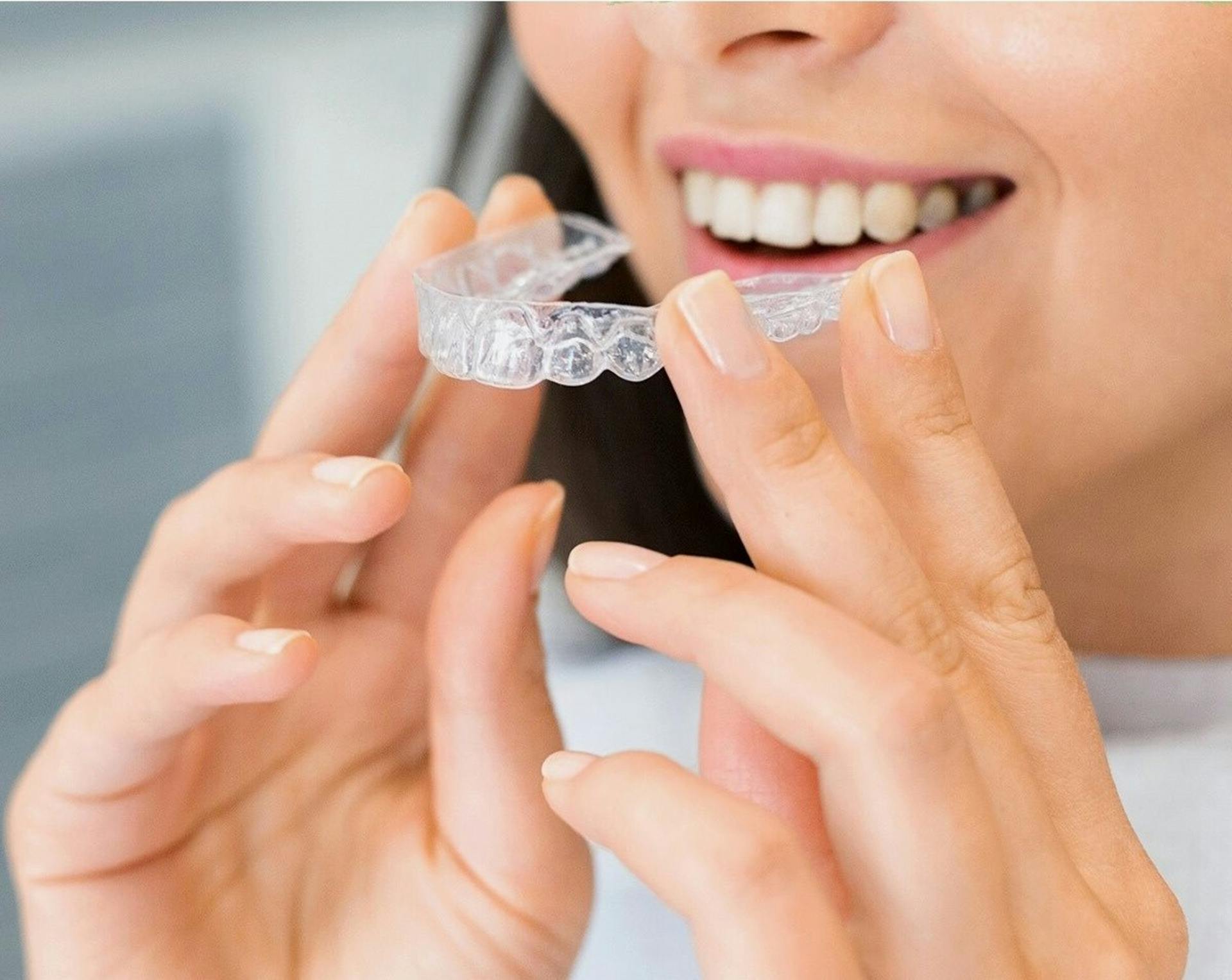
Curious about the real cost of braces or Invisalign and whether insurance helps pay for it? Traditional braces typically run $3,000 to $7,000, while Invisalign generally ranges from $3,500 to $8,000 (industry averages). Your final price depends on case complexity, treatment length, and where you live. Many dental insurance plans cover a portion of orthodontic care, and flexible payment plans can spread costs over time.
Braces use metal or ceramic brackets bonded to teeth, connected by wires the orthodontist adjusts every few weeks. Invisalign uses a series of clear, removable trays that gradually shift teeth into place. Both options work well for straightening smiles, but the price reflects the appliance, the length of treatment, and the expertise of your provider.
The numbers above are estimates based on national industry ranges. A true quote comes only after Dr. J, a board-certified orthodontist, reviews your teeth, takes records, and builds a plan around your goals.
What Do Braces or Invisalign Cost?
Braces or Invisalign cost varies from patient to patient, but most treatment plans fall within a predictable range. Traditional braces usually land between $3,000 and $7,000, while Invisalign typically runs $3,500 to $8,000. These are ballpark industry figures, not a promise. The only way to know your number is to have your teeth examined and records taken by a qualified provider like Dr. J, a board-certified orthodontist who tailors every plan to the individual smile in front of them.
Because each case is unique, two people with similar goals can walk away with different quotes. Mild crowding costs far less than a complex bite correction that needs extra time. That’s why a personal exam matters so much when you want an accurate price.
How Orthodontic Pricing Works
An orthodontic quote covers far more than the appliance alone. It typically bundles your diagnostic records, the braces or aligners themselves, every adjustment visit, any emergency repairs, and the retainers that hold your results in place. Knowing what’s included makes it much easier to compare quotes fairly and understand exactly what you’re paying for.
Here’s what a typical orthodontic quote covers:
- Diagnostic records: exam, digital X-rays, photos, and 3D scans
- The appliance: braces, brackets, wires, or your custom Invisalign trays
- All adjustment appointments during active treatment
- Emergency visits if a bracket pops off or a tray cracks
- Retainers to hold your new smile in place after treatment ends
At NC Tooth Docs Orthodontics & Kids Dentistry, your orthodontic consultation and initial X-rays are often included or discounted, so you can get answers before committing to anything. After Dr. J reviews your case, you’ll receive a clear treatment plan with a fixed price.
Payment is usually structured two ways. You can pay upfront (sometimes with a small courtesy for doing so) or spread the cost over the length of your care with flexible payment plans. Monthly payments make orthodontics fit into most family budgets without stress.
Insurance benefits, HSA dollars, and FSA funds can also lower what you actually pay out of pocket. We’ll walk through all of that during your visit.
What Straightening Your Teeth Gives You
Straightening your teeth pays off long after treatment ends. Here’s what you get from either option:
- Better bite function for chewing, speaking, and jaw comfort
- Easier cleaning since straight teeth trap less plaque between them
- Long-term dental health with lower risk of gum disease and wear
- A confidence boost every time you smile in photos or meet someone new
- Straighter teeth for life when you wear your retainers as directed
What Are the Benefits of Invisalign?
Invisalign shines for patients who want a discreet look. The trays are nearly invisible, you can remove them to eat whatever you want, and cleaning your teeth stays simple. No wires, no food restrictions. For adults in professional settings or teens who feel self-conscious about metal, the clear look often tips the decision. The freedom to take the trays out for meals, brushing, and special occasions is a big draw for busy families who value flexibility in their daily routine.
What Are the Benefits of Braces?
Braces are the workhorse of orthodontics. They handle complex bite corrections that aligners sometimes can’t, and there’s no compliance factor since they stay on your teeth around the clock. Kids and teens who might forget to wear trays often do great with braces because the appliance does its job automatically. Modern brackets are smaller and more comfortable than older versions, and ceramic options blend in with your natural tooth color for a subtler appearance.
Both options end at the same place: the straight teeth and smile of your dreams.
Braces vs Invisalign: Cost and Feature Comparison
Both treatments deliver excellent results, but they differ in price, look, and lifestyle fit. Braces often cost less for complicated cases, while Invisalign is comparable or slightly higher for patients who qualify. Here’s a side-by-side look to help you weigh what matters most to you.
| Feature | Traditional Braces | Invisalign |
|---|---|---|
| Typical cost range | $3,000 to $7,000 | $3,500 to $8,000 |
| Visibility | Metal or ceramic, visible | Clear trays, nearly invisible |
| Average treatment time | 12 to 24 months | 12 to 18 months for many cases |
| Appointment frequency | Every 4 to 8 weeks | Every 6 to 10 weeks |
| Removable? | No, bonded to teeth | Yes, remove to eat and brush |
| Food restrictions | Yes (hard, sticky foods) | None |
| Best for | Complex bite issues, kids | Adults, teens, mild-to-moderate cases |
| Compliance needed | Low (worn around the clock) | High (must wear 20 to 22 hrs/day) |
Lifestyle trade-offs matter here. If you travel often, present in meetings, or don’t want brackets in wedding photos, Invisalign may feel worth the slight price bump. If you have a tricky bite or aren’t sure you’ll stick to the 22-hour daily wear rule, braces are usually the smarter pick.
Dr. J will help you sort out which option fits your case and your budget during your orthodontic consultation.
Factors That Affect Your Braces or Invisalign Cost
No two smiles cost the same. Your final price reflects the details of your case, not a one-size-fits-all fee. Here are the biggest factors that move the number up or down:
- Case complexity. Mild crowding costs less than a severe overbite or crossbite that needs more time and more appointments.
- Treatment length. A six-month touch-up is far cheaper than a two-year plan with multiple phases.
- Type of appliance. Metal braces are usually the most budget-friendly. Ceramic (tooth-colored) brackets cost more. Clear aligners like Invisalign sit at the higher end.
- Number of aligner trays or adjustments. More trays or more wire changes mean more chair time and higher lab fees.
- Geographic location. Prices in suburban areas tend to sit in the middle of the national range, while larger cities often trend higher.
- Retainers and post-treatment care. Some quotes include your first set; others charge separately. Replacement retainers over the years also add up.
- Add-ons. Attachments, elastics, expanders, or interceptive treatment for kids can increase the total.
Two patients walking into the same practice on the same day can leave with very different quotes, and that’s normal. Your quote reflects your smile, not a template.
Does Insurance Cover Braces or Invisalign?
Yes, many dental insurance plans cover a portion of orthodontic treatment. Coverage commonly runs roughly a quarter to half of the total cost, up to a lifetime orthodontic maximum. Most plans treat braces and Invisalign the same way, so your benefit usually applies to either option.
A few things to check with your plan before you start:
- Orthodontic benefit amount. Is it a percentage, a flat dollar cap, or both?
- Age limits. Some plans only cover kids and teens under 19. Adult orthodontics may not be covered at all.
- Waiting periods. New plans sometimes require 6 to 12 months before ortho benefits kick in.
- In-network status. Staying in-network usually stretches your dollars further.
NC Tooth Docs Orthodontics & Kids Dentistry works with a range of dental insurance plans. Our team will verify your benefits before treatment starts so you know what to expect from the beginning.
Don’t have orthodontic coverage? You still have options. HSA and FSA accounts let you pay with pre-tax dollars, which effectively lowers the cost by your tax bracket. Many families combine insurance, HSA/FSA funds, and monthly payment plans to make treatment fit comfortably into their budget.
Every plan we build is backed by experienced, credentialed providers, so the recommendation you receive comes from a team that knows orthodontics inside and out.
Frequently Asked Questions
Are braces cheaper than Invisalign?
Traditional metal braces are usually the more affordable choice, especially for complex cases. Invisalign tends to run slightly higher because of the custom lab work involved in creating each set of trays. That said, the gap has narrowed a lot in recent years, and for many patients the two options end up within a few hundred dollars of each other.
Does dental insurance cover Invisalign for adults?
Sometimes, yes. Coverage for adult Invisalign depends on your specific plan. Some policies cover orthodontics for any age, while others cap benefits at 18 or 19. If your plan does cover adult ortho, Invisalign is typically treated the same as braces. Call your insurance carrier or ask our team to verify your benefits before you commit.
How can I pay for braces without insurance?
Plenty of families pay for orthodontics without insurance every day. NC Tooth Docs offers flexible payment plans that spread the cost over the length of treatment, often with no interest and a low down payment. HSA and FSA dollars can also cover orthodontic care with pre-tax money, which lowers what you actually spend.
Are there payment plans available?
Yes. We offer flexible payment plans designed to fit real family budgets. Most patients choose a small down payment followed by monthly installments across the treatment timeline. Dr. J and the team will walk you through the numbers at your orthodontic consultation so you can plan ahead with confidence.
Is orthodontic treatment tax-deductible or HSA-eligible?
Orthodontics is considered a qualified medical expense, so yes, it’s HSA and FSA eligible. It may also be tax-deductible if your total medical expenses for the year exceed the IRS threshold. Talk to your tax professional for guidance on your specific situation, and save all receipts from your treatment.
The best way to get real numbers is a real conversation. At an orthodontic consultation, Dr. J, a board-certified orthodontist, will look at your teeth, talk through your goals, and give you a clear price with flexible payment plans that work for your family. NC Tooth Docs is family-owned and operated, and we welcome kids, teens, and adults who are ready to begin treatment. It’s never too late to start your smile journey, and we love making people smile. You can learn more about a free ortho consult here and find out what your dream smile really costs.