
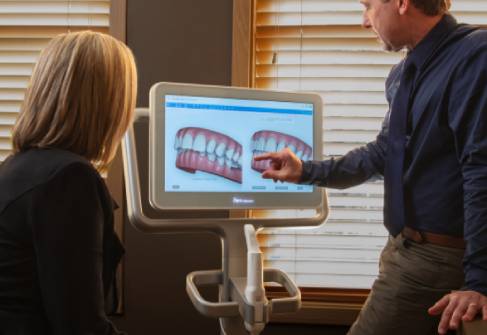
Choosing the right dental provider for your family can feel confusing, especially when three different specialists all work on teeth. At NC Tooth Docs, we help families understand the choices every day. Knowing the difference between a pediatric dentist, an orthodontist, and a general dentist, and how their training differs, makes it easier to know who to call and when. This pediatric dentist vs. orthodontist vs. general dentist breakdown covers what each provider does and how they support your family’s care.
What Is a Pediatric Dentist, Orthodontist, and General Dentist?
A pediatric dentist specializes in treating kids from infancy through the teen years. An orthodontist focuses on straightening teeth and correcting bite issues for patients of all ages. A general dentist provides routine dental care for the whole family. All three earn a dental degree (DDS or DMD), but the two specialists complete additional residency training after dental school.
How Do Training and Credentials Differ?
Every dentist finishes four years of dental school before earning either a DDS (Doctor of Dental Surgery) or DMD (Doctor of Dental Medicine). From there, the paths split:
- General dentist: Begins practicing after dental school, treating patients of all ages for routine and restorative care.
- Pediatric dentist: Completes an additional 2-3 year residency focused on kids dentistry, including behavior guidance, growth and development, and treating patients with special needs.
- Orthodontist: Completes a 2-3 year residency in orthodontics, focused on tooth movement, jaw alignment, and bite correction.
Where Do These Providers Overlap?
All three providers can perform routine exams, take X-rays, and spot early signs of decay or alignment concerns. A general dentist can identify a bite issue and refer to an orthodontist. Pediatric dentists can catch spacing changes and coordinate with the tooth docs down the hall. That overlap is a good thing, and it means your child has multiple sets of trained eyes watching their oral health.
How Each Dental Provider Works With Your Child
Each type of provider plays a specific role as your child grows. Here’s how the three coordinate care from the first tooth through the teen years.
What Does a General Dentist Do?
A general dentist handles routine exams, cleanings, fillings, and everyday restorative care for the entire family. They’re often the provider you see for regular six-month visits once your child is comfortable with adult-style care. This steady relationship keeps the whole family on a consistent preventive schedule year after year.
What Does a Pediatric Dentist Do?
A pediatric dentist offers care built specifically for kids. That includes:
- Routine exams and cleanings sized for small mouths
- Fluoride treatments and sealants
- Fillings and pulp therapy
- Space maintainers after early tooth loss
- Sedation options when needed for anxious kids
- Behavior guidance to make visits calm and positive
Dr. Amanda focuses on kids dentistry at NC Tooth Docs, creating a warm environment where kids actually look forward to their appts. That kid-first approach helps build trust from the very first visit and carries into every appt that follows.
What Does an Orthodontist Do?
An orthodontist corrects the position of teeth and jaws using appliances like braces, Invisalign, expanders, and retainers. Dr. J leads the orthodontic side of our practice, guiding patients from the first evaluation through the final retainer check. It’s never too late to start your smile journey, and Dr. J works with patients of every age to make that happen.
How Do the Three Coordinate Care?
As your child grows, the providers often work as a team. Your pediatric dentist may notice crowding at age 7 and refer to the orthodontist for an evaluation. A general dentist might spot a bite shift in a teen and loop in the tooth docs. Because NC Tooth Docs offers the one-stop convenience of having two dental specialties in one location, that handoff happens smoothly under one roof, so families across our community save time and paperwork.
Benefits of Choosing the Right Dental Specialist
Picking the right provider for each stage of your child’s care pays off in comfort, prevention, and long-term oral health. Here’s what each type of specialist offers.
- Pediatric dentists ease dental anxiety. Kid-sized equipment, child-friendly language, and team members trained in behavior guidance make first visits calmer and set the tone for a lifetime of positive dental habits.
- Early orthodontic evaluation catches issues sooner. According to the American Association of Orthodontists, kids should have their first orthodontic evaluation by age 7. Catching crowding, crossbites, or jaw growth concerns early can shorten future treatment time.
- Specialists offer focused expertise. When your child needs sedation, a space maintainer, or a palatal expander, a specialist has the training and experience to handle it confidently.
- General dentists provide steady family care. For routine exams, cleanings, and fillings across all ages, a general dentist keeps everyone on track with consistent preventive visits.
- Coordinated care supports lifelong oral health. When your pediatric dentist and orthodontist share a practice, treatment plans line up, records stay in one place, and nothing falls through the cracks.
Comparison: Pediatric Dentist vs. Orthodontist vs. General Dentist
Here’s a side-by-side look at how the three providers compare in focus, training, treatments, and typical patient age.
| Category | Pediatric Dentist | Orthodontist | General Dentist |
|---|---|---|---|
| Primary Focus | Overall oral health for kids | Tooth alignment and bite correction | Routine dental care for all ages |
| Extra Training After Dental School | 2-3 year pediatric residency | 2-3 year orthodontic residency | None required |
| Typical Patients | Infants through teens | Kids, teens, and adults | All ages |
| Common Treatments | Exams, cleanings, fillings, sealants, sedation, space maintainers | Braces, Invisalign, expanders, retainers, bite correction | Exams, cleanings, fillings, crowns, extractions |
| First Recommended Visit | By first birthday or first tooth | By age 7 | Every 6 months once teeth erupt |
| Board Certification Available | ABPD (American Board of Pediatric Dentistry) | ABO (American Board of Orthodontics) | Optional general board certifications |
Where Do the Roles Overlap?
All three providers can spot cavities, take X-rays, and monitor growth. Your pediatric dentist may place a space maintainer that supports future orthodontic care. A general dentist can perform basic tooth movement in mild cases but usually refers complex alignment work to an orthodontist. The tooth docs handle the alignment side while the pediatric team keeps the underlying teeth healthy, so your child gets the right care from the right specialist.
Cost Factors for Each Type of Dental Care
Cost varies widely between routine pediatric visits and specialized orthodontic care. Preventive visits like exams and cleanings are often largely covered by dental insurance, while braces and Invisalign typically involve multi-month payment plans and separate orthodontic benefits. Sedation and complex bite correction add to the total.
What Affects Pricing?
Several factors influence what you’ll pay:
- Type of care: Routine exams and cleanings cost far less than a full smile journey or oral surgery.
- Complexity: A simple filling costs less than pulp therapy; mild crowding costs less than full-arch alignment with expanders.
- Duration: Longer treatment timelines with braces or Invisalign spread cost over more months.
- Sedation needs: Kids who need sedation for treatment will have added anesthesia costs.
- Insurance coverage: Preventive care is usually covered at a high percentage, while orthodontic benefits often have a separate lifetime maximum.
NC Tooth Docs accepts all PPO insurance plans and Medicaid, and we offer flexible payment plans that make a smile journey more manageable for families. You can also use our online orthodontic payment calculator to estimate monthly costs before you commit.
Which Dental Provider Does Your Child Need?
Not sure who to call first? Here’s a quick guide to help you decide.
When Should You See a Pediatric Dentist?
- Your child needs a routine exam or cleaning
- It’s their first visit (by age 1 or when the first tooth erupts)
- They have a cavity, chipped tooth, or oral injury
- They feel anxious about appts and need extra support
When Should You See an Orthodontist?
- Your child is 7 or older and hasn’t had an orthodontic evaluation
- You notice crowding, gaps, or teeth coming in crooked
- Their upper and lower teeth don’t meet correctly when they bite
- They have habits like prolonged thumb-sucking or mouth breathing
- Their pediatric dentist or general dentist recommends an evaluation
When Should You See a General Dentist?
- You want one provider for the whole family’s routine care
- Adult family members need exams, cleanings, fillings, or crowns
- Your teen has aged out of pediatric care and wants a family provider
If you’re not sure where to start, our team can help you figure out the right next step. A free ortho consult with Dr. J is a great way to find out if your child needs treatment or just monitoring.
Frequently Asked Questions
Is my dentist also an orthodontist?
Not usually. A general dentist can perform some minor tooth movement, but an orthodontist has 2-3 years of additional residency training focused specifically on alignment and bite correction. For braces, Invisalign, or bite issues, an orthodontist is the specialist to see.
At what age should my child see an orthodontist?
The American Association of Orthodontists recommends kids have their first orthodontic evaluation by age 7. At this age, enough permanent teeth have come in for an orthodontist to spot developing concerns with crowding, spacing, or jaw growth. Early evaluation doesn’t always mean early treatment, and it just gives Dr. J the chance to monitor growth and step in at the right time.
Can a pediatric dentist do braces?
Some pediatric dentists offer limited orthodontic care, but most refer to an orthodontist for braces and Invisalign. Orthodontists complete extra residency training in tooth movement and are board-certified through the ABO. At NC Tooth Docs, Dr. Amanda handles kids dentistry and Dr. J handles orthodontics, so your child gets specialty care for both.
Do I need a referral to see an orthodontist?
No. You can schedule directly with an orthodontist without a referral from your general or pediatric dentist. At NC Tooth Docs, we offer a free ortho consult so you can get answers about your child’s smile without any commitment. Our team is ADA, AAO, ABO, and ABPD affiliated, and we’re family-owned and operated, offering orthodontics and kids dentistry under one roof. It’s never too late to start your smile journey, so get in touch with us to schedule your first visit today and meet the right provider for every stage of your family’s care.
What’s the difference between a pediatric dentist and a general dentist?
A pediatric dentist completes 2-3 years of additional residency training focused on treating kids, including behavior guidance, sedation, and growth-related care. A general dentist treats patients of all ages with routine and restorative care. Both hold dental degrees, but a pediatric dentist has specialty training built specifically for younger patients. Whichever provider your family sees first, NC Tooth Docs offers healthy smiles for the entire family with two specialties working together in one place.